New Hanover, Brunswick, Onslow, and Carteret counties
A metal roof on this coast is a wind decision, a salt decision, and an insurance decision.
Coastal Carolina Metal Roofing is a free referral service for homeowners across coastal North Carolina. It covers standing seam re-roofs, FORTIFIED Roof projects, and the salt-air material calls that oceanfront homes turn on.
Get a Free Quote
The working idea
The certificate is the product
A standing seam roof only earns the FORTIFIED designation, the insurance treatment, and the storm performance it is famous for when the details underneath it are right: a sealed roof deck, panels with certified design-pressure test reports, and an evaluation by a credentialed FORTIFIED professional. Skip any one of those and you paid for a metal roof without the paperwork that makes it count.
That is the whole reason this site exists. The North Carolina FORTIFIED Metal Roof Guide walks through the three designations, how metal panels qualify, what the NCIUA programs have paid, and which materials survive within sight of breaking surf. Read it before you sign anything.
The flagship project
A FORTIFIED metal re-roof, done in the right order
The FORTIFIED Roof designation comes from the Insurance Institute for Business and Home Safety, and it is earned during the re-roof, not bolted on afterward. The deck gets re-nailed and sealed while it is open, the panels are chosen against the uplift pressures for your site, and a FORTIFIED evaluator documents each step. An NC State analysis of four hurricanes found homes with FORTIFIED roofs were 34 percent less likely to file a claim, and the claims that did occur carried 22 percent less damage.
If a re-roof is on your horizon, start with the FORTIFIED metal roof service page: what the designation adds to the job, what the evaluation costs, and the questions worth asking before the tear-off starts.
The panel system
Standing seam, because exposed fasteners lose on the coast
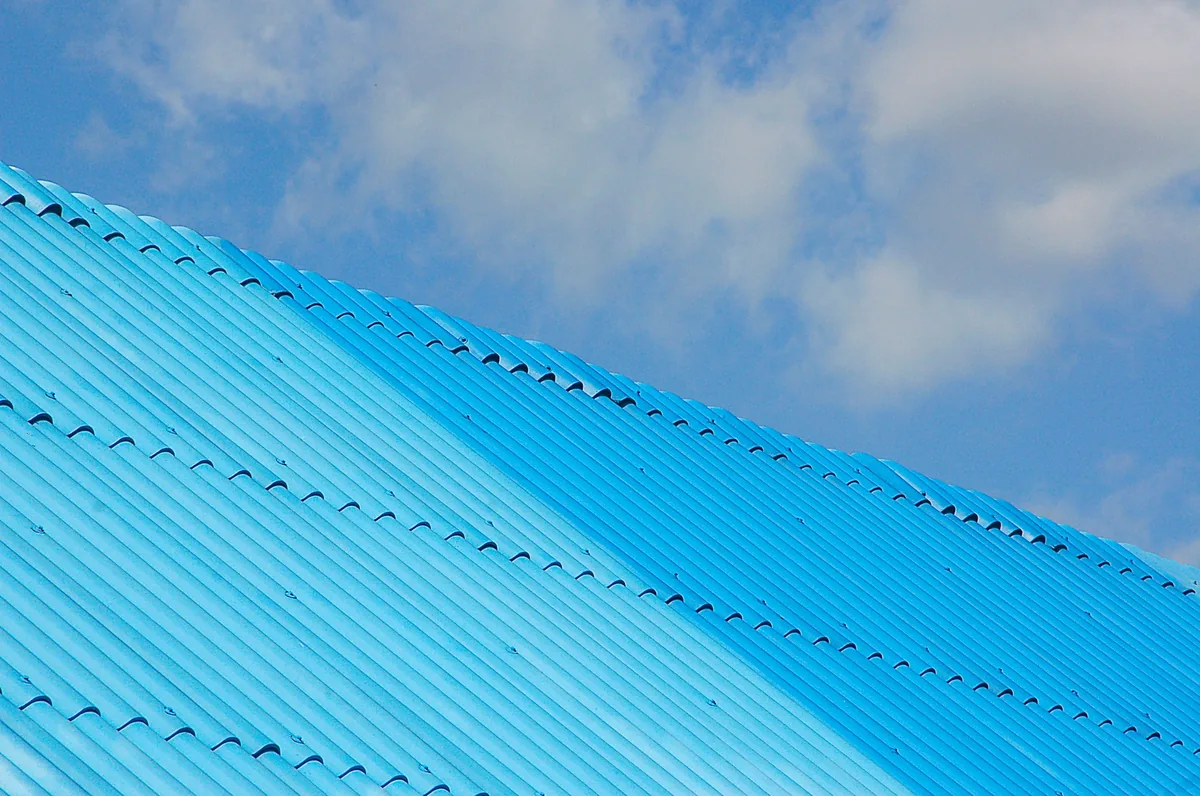
Standing seam panels lock onto concealed clips, so the system moves with thermal swings and holds under uplift instead of working fasteners loose season after season. Clip-fastened systems are tested under UL 580 and UL 1897, and coastal designs routinely specify assemblies rated for 140 mph and above. Near the beach the question shifts from steel versus shingle to Galvalume versus aluminum, because substrate chemistry decides how a roof ages a few hundred feet from salt spray.
The standing seam metal roofing page covers the system itself: clips versus exposed fasteners, test standards, gauges, finishes, and what an installed coastal roof typically runs per square foot.
How it works
Three steps, no obligation
-
Tell us about the roof
The form takes two minutes: where the home sits, what is on the roof now, and whether you are planning a re-roof, comparing materials, or chasing a FORTIFIED question.
-
One request, one local pro
Your details go to an independent local roofing professional who works your part of the coast and handles your kind of project. They contact you directly to talk scope and schedule a quote.
-
You verify and decide
Check the license where the project size requires one, the insurance certificates, and the panel test reports. Our guides show you how. There is no fee and no commitment at any point.
Where we work
Four coastal counties, one shoreline
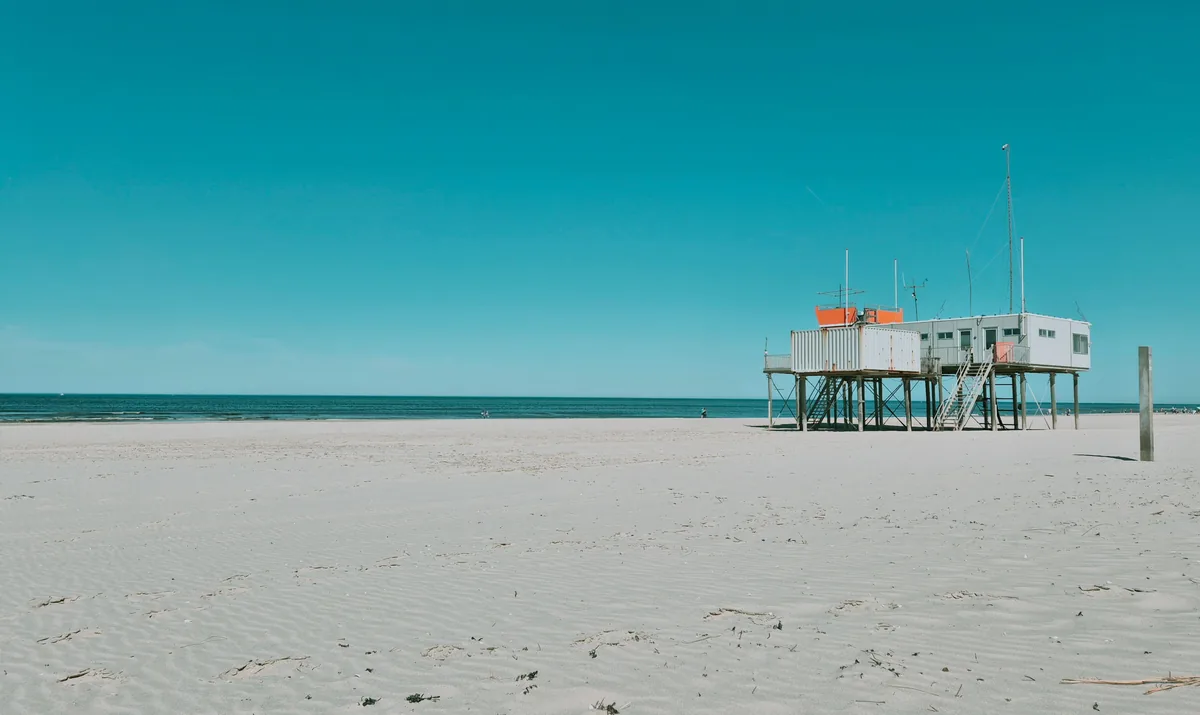
Our coverage runs the stretch of coast from the Cape Fear River to the Crystal Coast: Wilmington, Carolina Beach, and Kure Beach in New Hanover County; Leland, Southport, and Oak Island in Brunswick County; Jacksonville, Hampstead, and the Topsail Island communities in Onslow and Pender counties; and Morehead City and Beaufort in Carteret County.
Every town page carries its own coastal exposure notes, from wind zones to the distance-from-surf line where Galvalume warranties stop applying. Find yours through the Service Areas menu above.
What happens after you send the form
- How fast will someone get back to me?
- Your request goes to an independent licensed local metal roofing contractor, usually within about an hour during the day. They then contact you to look at the roof and price the work on their own schedule.
Frequently Asked Questions
Who installs the roof?
An independent local roofing professional, never us. On projects of $40,000 or more, North Carolina law (G.S. 87-1) requires the contractor to hold a general contractor license. Below that threshold no state license applies, so verification falls to paperwork: insurance certificates, written itemized estimates, and panel test reports. You stay in charge of hiring.
Can a metal roof earn the FORTIFIED designation?
Yes, when two conditions are met. The panels need certified design-pressure test reports that meet the uplift pressures calculated for your site, and the roof deck underneath still gets sealed with the taped-seam and underlayment methods the standard requires. The panels alone do not earn the certificate, which is exactly why the details matter.
What does this service cost a homeowner?
Nothing. Coastal Carolina Metal Roofing is free for homeowners. We are paid a referral fee by the roofing professional, and that fee never increases the price you pay for your project. The full explanation lives on our How We Make Money page.
Are the NCIUA roof grant programs still open?
As of October 2026, both appear open. The 2025 Strengthen Your Coastal Roof round required installations complete by July 31, 2026, and the Outer Banks Strengthen Your Roof cycle set a May 31, 2026 deadline; both dates have passed, but NCIUA posts no closure notice for either program and both program sites still invite new applications. Confirm current status and funding directly with NCIUA before counting on a grant. The permanent piece is the Stronger Roof Endorsement: up to $5,000 toward a FORTIFIED Roof after a qualifying covered roof loss, on NCIUA policies that carry the IBHS coverage form, which NCIUA offers in selected coastal rating territories.
Talk Through Your Metal Roof Project
Tell us about your home and get a free, no-obligation quote on a coastal metal roof.
Your request goes straight to an independent local metal roofing contractor serving coastal North Carolina, usually within about an hour during the day, not a national lead list. Monday to Friday, 8 AM to 5 PM Eastern.
Updated